What if the most effective way to clear your skin cancer didn’t require a scalpel, a single stitch, or a permanent scar? For many patients in our community, weighing non-surgical vs surgical skin cancer treatment Maryland options feels like an overwhelming decision. We understand that a diagnosis brings a wave of anxiety, not just about your health, but about the potential for facial disfigurement and the pain of surgical recovery. You deserve a solution that prioritizes your long-term well-being as much as your personal confidence.
We agree that the best treatment is the one that fits your specific diagnosis and your lifestyle without compromise. It’s natural to feel torn between the clinical gold standard of surgery and the modern appeal of non-invasive technology. This guide provides a clear, professional comparison of the latest clinical outcomes, recovery times, and aesthetic results available today. We will examine the differences between traditional surgical excision and the advanced GentleCure IG-SRT technology offered by Dr. Steven B. Snyder at our Owings Mills practice. By the end of this article, you’ll understand which path offers the 99% cure rate and minimal cosmetic impact you need to move forward with peace of mind.
Key Takeaways
- Understand the fundamental differences between traditional excision and modern radiotherapy to determine which approach aligns with your health goals and lifestyle.
- Compare the clinical outcomes of non-surgical vs surgical skin cancer treatment Maryland to see how both Mohs surgery and GentleCure achieve exceptional ~99% cure rates.
- Learn why Mohs surgery remains the gold standard for tissue-sparing precision when dealing with complex or high-risk areas.
- Discover the benefits of Image-Guided SRT, a painless alternative that uses ultrasound technology to treat cancer without needles, cutting, or scarring.
- Gain insight into how a board-certified expert in Owings Mills tailors these advanced treatments to your unique needs for the best aesthetic and medical results.
Table of Contents
Navigating Skin Cancer Treatment Options in Maryland
Non-melanoma skin cancer (NMSC) remains a significant health concern for residents throughout the Baltimore region. Whether the result of years spent on the Chesapeake or simply the cumulative effect of daily sun exposure, thousands of Marylanders face a diagnosis each year. The moment you receive this news, your mind likely races through questions about recovery, pain, and how your face or body might look after the cancer is gone. Understanding the choice between non-surgical vs surgical skin cancer treatment Maryland is the first step toward regaining your health and your confidence.
The path forward generally splits into two primary modalities: surgical intervention and non-surgical radiotherapy. Surgery involves the physical removal of the tumor and a margin of healthy tissue, while radiotherapy uses targeted energy to destroy cancer cells from the surface. We believe that providing unbiased advice on these options is essential. Every patient deserves to know that they aren’t necessarily “pushed” into one path simply because it’s the only one a practitioner offers. A truly patient-centered approach requires a specialist who understands the nuances of both methods.
The location of the lesion often dictates the most appropriate treatment choice. When a tumor appears on the nose, ear, or eyelid, the anatomical complexity is high. These areas have very little “extra” skin, and even a small surgical excision can require complex reconstructive grafts to avoid visible deformity. In these delicate areas, non-surgical options can often preserve the natural contours of your features more effectively than a scalpel could.
Common Types of Skin Cancer Treated in Owings Mills
Basal Cell Carcinoma (BCC) is the most frequent type of skin cancer we treat. It’s typically slow-growing but can cause deep local damage if left alone. Squamous Cell Carcinoma (SCC) is the second most common form and carries a higher risk of spreading if not addressed promptly. Both BCC and SCC are remarkably responsive to modern treatments. Whether we use a surgical approach or advanced radiation, the goal is a complete cure with the most refined aesthetic outcome possible.
The Shift Toward Non-Invasive Care in 2026
As we move through 2026, we’ve noticed a clear trend among our patients toward “no-cut” solutions. People lead busy lives and often want to avoid the downtime and local anesthesia associated with surgery. Advanced imaging has revolutionized this field, allowing us to see beneath the skin’s surface before treatment even begins. We are proud to offer GentleCure, a sophisticated non-surgical option that utilizes Image-Guided Superficial Radiation Therapy (IG-SRT) to target cancer cells with pinpoint accuracy while leaving healthy tissue intact.
The Surgical Standard: Mohs Surgery and Traditional Excision
Surgery has long been considered the definitive answer for non-melanoma skin cancer. Mohs Micrographic Surgery, in particular, is widely regarded as the gold standard for tissue sparing. During this procedure, a surgeon removes the visible tumor along with a very thin layer of surrounding tissue. You then wait while that tissue is processed and examined under a microscope. If cancer cells remain at any margin, another layer is removed. This cycle continues until the margins are clear. It’s a methodical process designed to ensure every cancer cell is gone while saving as much healthy skin as possible.
The primary benefit of this approach is the exceptional cure rate, which often reaches 99% for primary basal cell carcinomas. It’s usually a “one and done” day. However, we must be honest about the physical toll. The process requires multiple local anesthesia injections, which can be painful. There’s also the inherent risk of post-operative infection and the certainty of a surgical wound. For many patients evaluating non-surgical vs surgical skin cancer treatment Maryland, the prospect of a large scar or the need for a reconstructive skin graft is a significant source of anxiety.
When Surgery is the Recommended Path
While we advocate for choice, certain clinical factors make surgery the most prudent option. Aggressive tumor subtypes or cancers with high-risk features often require the immediate, physical removal that only surgery provides. If a cancer has recurred after previous treatments, Mohs surgery offers the highest level of margin control. Some patients also simply prefer the psychological closure of knowing the tumor is physically gone in a single afternoon.
Understanding the Recovery and Scarring
Recovery from surgery involves more than just a bandage. You’ll likely have stitches that require specific wound care and a period of restricted physical activity to prevent the wound from reopening. It’s important to understand that a “Mohs scar” can be significantly larger than the original lesion. This is especially true on the nose or lips where skin is tight and reconstructive “flaps” are often necessary. While these scars mature over time, some patients may eventually require additional cosmetic procedures to refine the area. If you are concerned about the long-term aesthetic impact of surgery, you might want to discuss your options with a board-certified dermatologist who specializes in both surgical and non-invasive methods.
The Non-Surgical Breakthrough: Image-Guided SRT (GentleCure)
While surgery remains a traditional choice, a significant breakthrough has changed the conversation for many patients. Image-Guided Superficial Radiation Therapy (IG-SRT), branded as GentleCure, offers a sophisticated alternative that bypasses the need for a scalpel entirely. When comparing non-surgical vs surgical skin cancer treatment Maryland, the primary distinction lies in how the cancer is identified and targeted. Unlike older forms of radiation that relied on visual estimation, IG-SRT incorporates high-frequency ultrasound technology to look beneath the surface of your skin.
This imaging component is what sets GentleCure apart from previous generations of radiotherapy. By using ultrasound, we can see the exact depth and width of the tumor in real-time. This precision ensures that the therapy only reaches the cancer cells, leaving the surrounding healthy skin untouched. For patients who are anxious about the “blind” nature of traditional radiation, this visual confirmation provides a layer of safety and confidence that was previously unavailable in a clinical setting.
Maryland’s senior population and individuals managing chronic conditions find this approach particularly advantageous. If you are on blood thinners, surgery often requires you to pause your medication, which can introduce cardiovascular risks. With IG-SRT, there is no cutting and no bleeding, meaning you can stay on your prescribed medications throughout the process. It also eliminates the risk of slow-healing surgical wounds, which can be a concern for those with diabetes or circulatory issues.
The Power of Adaptive Radiotherapy
One of the most compelling aspects of this technology is its adaptive nature. Dr. Snyder uses the integrated ultrasound imaging to measure tumor shrinkage during every session. Instead of following a rigid, predetermined path, we can adjust the treatment dose based on the visual evidence of how the cancer is responding. IG-SRT is a targeted X-ray treatment that spares healthy surrounding tissue.
Aesthetic and Functional Benefits
Because there is no cutting or stitching, the natural contours of your face remain undisturbed. This is vital for lesions on the nose, ears, or eyelids, where even minor surgery could alter your appearance or affect how your glasses fit. There are no bandages to hide and no unsightly scars to manage as the area heals. You can feel confident in your appearance throughout the entire treatment cycle.
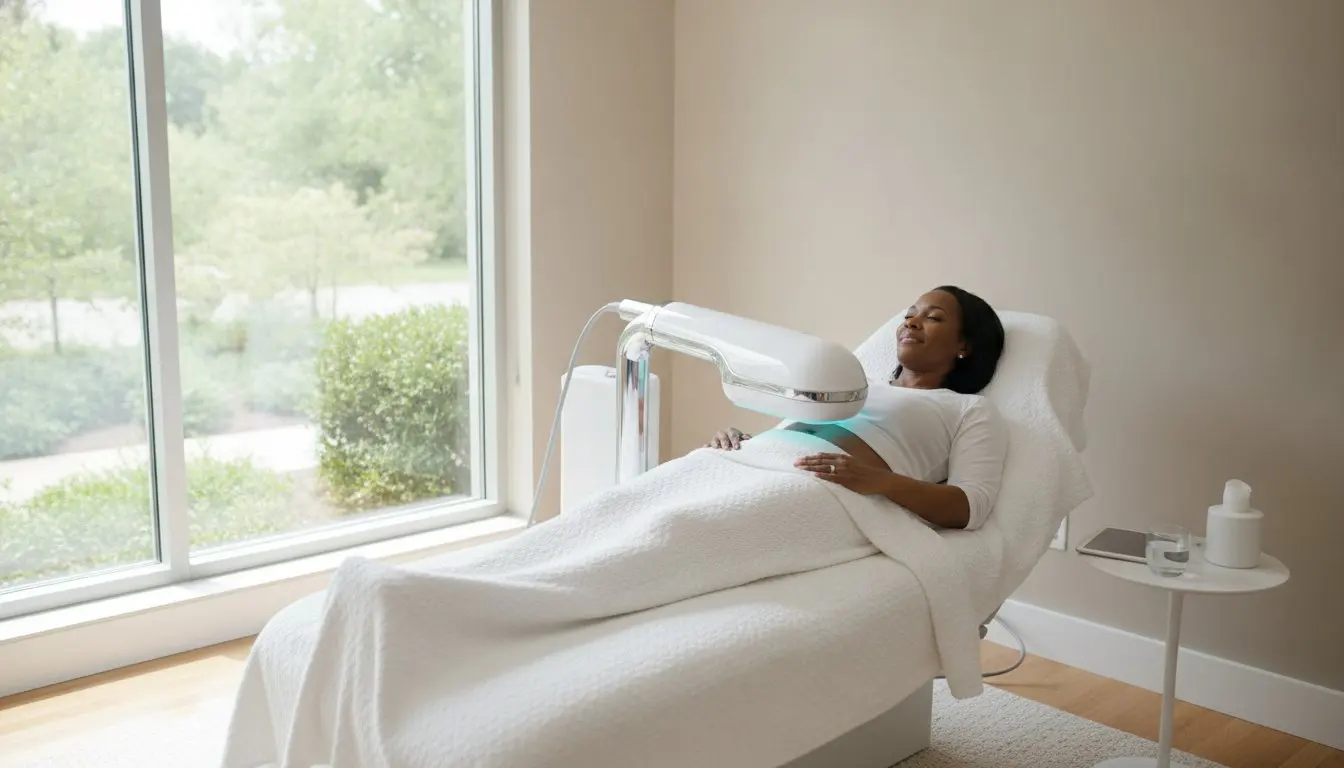
Perhaps the greatest benefit for active individuals is the total lack of downtime. You don’t have to worry about activity restrictions; you can shower, exercise, and continue your social life immediately after your session. The treatment typically involves short, painless appointments over several weeks, allowing you to maintain your normal lifestyle while effectively curing your cancer.
Surgical vs. Non-Surgical: Side-by-Side Comparison
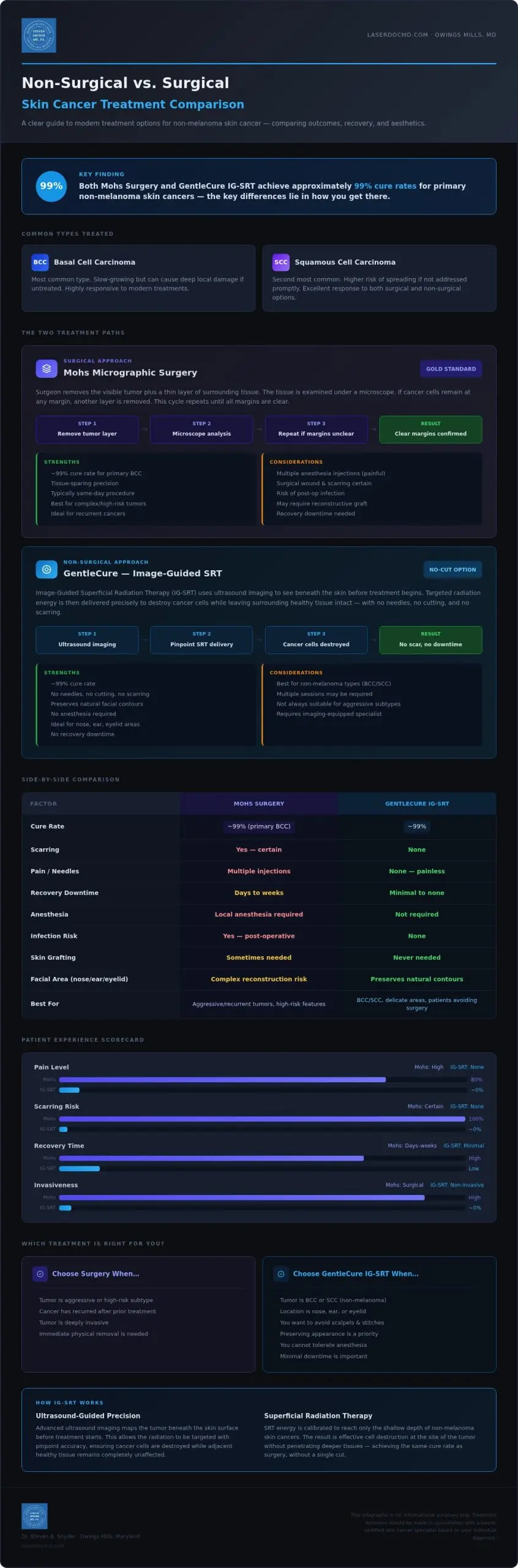
Deciding on the right path requires a clear look at the clinical and personal impacts of each choice. When evaluating non-surgical vs surgical skin cancer treatment Maryland patients often find that both paths offer exceptional medical results. Both Mohs surgery and Image-Guided SRT (IG-SRT) boast cure rates of approximately 99% for non-melanoma skin cancers. The decision, therefore, often rests on your tolerance for surgery and how the recovery process fits into your daily life. We believe that an informed patient is a confident patient, and we take the time to explain these nuances during every consultation.
Surgery provides the benefit of immediate pathology, meaning you know the margins are clear before you leave the office. However, it involves local anesthesia injections and a physical wound that requires weeks of healing. You’ll need to avoid heavy lifting, keep the site dry for a period, and manage stitches. In contrast, IG-SRT is a gradual process that achieves the same result through painless sessions. You can shower, exercise, and socialise immediately after each visit, making it the preferred choice for those who don’t want to put their lives on hold.
At-a-Glance Comparison Table
| Feature | Mohs Surgery | Image-Guided SRT (GentleCure) |
|---|---|---|
| Procedure Time | Several hours in one day | 15 minutes per session |
| Pain Level | Local injections and soreness | Completely painless |
| Scarring Risk | Definite surgical scar | Minimal to no scarring |
| Number of Visits | Typically 1 or 2 | Multiple sessions over several weeks |
Financial considerations are also vital. Both modalities are typically covered by major insurance providers and Medicare in Maryland. To understand how your specific benefits apply to modern radiotherapy, you can consult our Medicare coverage guide for the latest 2026 updates. We are committed to transparency in all aspects of care, including the logistical and financial details that matter to your family.
Addressing the #1 Objection: Is Radiation Safe?
It’s natural to feel a sense of hesitation when you hear the word radiation. It’s vital to clarify that IG-SRT is “superficial” radiation. Unlike the high-energy beams used for internal cancers, this technology only penetrates the very top layers of the skin. It doesn’t reach your internal organs or bone marrow. This makes it a remarkably safe profile, especially when compared to the risks of infection or bleeding associated with invasive surgery. Maryland state regulations and safety standards for SRT facilities are rigorous, and our practice meets the highest benchmarks for patient protection. Every session is monitored by our expert staff to ensure the energy is delivered with pinpoint accuracy.
Choosing between these two gold-standard treatments is a personal decision that should be made with a trusted specialist. If you’re ready to explore these options in detail, we encourage you to contact our team for a professional consultation at our Owings Mills office.
Personalized Skin Cancer Care in Owings Mills: Why Experience Matters
When you face a skin cancer diagnosis, the technology used is only as effective as the hands that guide it. Choosing between non-surgical vs surgical skin cancer treatment Maryland requires more than a simple comparison of clinical statistics; it requires a partnership with a physician who views you as an individual rather than a procedure. At Dermatology Laser Center & Medispa, we pride ourselves on being a comprehensive destination where your medical outcome is matched by our commitment to your cosmetic well-being. We believe that a cancer-free diagnosis shouldn’t come at the cost of your self-confidence.
Dr. Steven B. Snyder has dedicated over 30 years to serving the broader Baltimore and Owings Mills communities. As a board-certified dermatologist, he brings a level of clinical authority that only comes from decades of leadership in both surgical and medical dermatology. This longevity means our patients benefit from a practitioner who has witnessed the evolution of care and remains a master of both modern technology and traditional, attentive medicine. Our practice is deeply rooted in the belief that every patient requires a unique roadmap, which is why we prioritize individualized treatment plans over “cookie-cutter” surgical approaches.
We understand that the fear of facial scarring or the anxiety of a painful recovery can be just as heavy as the diagnosis itself. By offering both the surgical standard and the advanced GentleCure IG-SRT option, we ensure that you are never pressured into a specific path simply because it’s the only one available. Instead, we provide a balanced perspective that weighs the location of your lesion, your medical history, and your lifestyle needs. This environment is designed to build a foundation of trust, ensuring you feel calm and confident throughout your journey to recovery.
Dr. Snyder’s 30-Year Legacy in Maryland
Trusting your skin to a pioneer in the field provides a sense of steady reliability. Dr. Snyder’s experience allows him to combine medical necessity with a refined aesthetic eye, ensuring that the results look as natural as possible. As a local practice, we understand the specific needs of the Maryland community and are committed to maintaining the highest professional values in every consultation. We treat our neighbors with the courtesy and thoroughness they deserve.
Your Consultation: What to Bring and What to Ask
Preparation is the best way to ease the uncertainty of a first visit. We recommend bringing a copy of your initial pathology report and a complete list of your medical history, including any medications you currently take. During your appointment, don’t hesitate to ask detailed questions about the expected aesthetic outcome for your specific tumor size and location. We encourage patients to ask: “How will this choice affect my daily routine?” or “What are the long-term functional impacts for this area?”
Your health is a priority that deserves the highest standard of excellence and a gentle, individualized touch. If you are ready to discuss the best path forward for your care with an expert who values your well-being, we invite you to take the next step. Schedule your skin cancer consultation at Dermatology Laser Center & Medispa today.
Choosing Your Path to Clearer Skin
Receiving a skin cancer diagnosis is a pivotal moment, but it doesn’t have to be a frightening one. Whether you prioritize the immediate pathology of Mohs surgery or the painless, scar-free benefits of GentleCure IG-SRT, you now have the information needed to make an empowered choice. When weighing non-surgical vs surgical skin cancer treatment Maryland, remember that both modern paths offer a 99% cure rate for non-melanoma skin cancer. The right decision is the one that respects your medical needs, your appearance, and your daily lifestyle.
At Dermatology Laser Center & Medispa, we provide the expert guidance you need to navigate these options without pressure. Led by Dr. Steven B. Snyder, M.D., who brings over 30 years of experience to every patient interaction, our team is dedicated to your long-term wellness. We invite you to Book Your Skin Cancer Consultation in Owings Mills to discuss how the latest GentleCure technology or traditional surgical expertise can work for you. You don’t have to face this journey alone; we’re here to ensure you move forward with a clear diagnosis and complete peace of mind.
Frequently Asked Questions
Is non-surgical skin cancer treatment as effective as Mohs surgery?
Yes, Image-Guided SRT (GentleCure) is remarkably effective, boasting a cure rate of approximately 99% for non-melanoma skin cancer. This success rate is clinically comparable to the results seen with Mohs surgery. When evaluating non-surgical vs surgical skin cancer treatment Maryland, you can feel confident that both paths offer a high probability of a cancer-free outcome. The primary difference lies in the method of delivery rather than the medical efficacy.
What are the side effects of IG-SRT (GentleCure) compared to surgery?
Side effects for IG-SRT are generally mild and limited to the treatment site, often appearing as localized redness or a sensation similar to a minor sunburn. In contrast, surgical side effects include the immediate pain of local anesthesia injections, risk of post-operative infection, and permanent scarring. While surgery requires wound care and stitches, the non-surgical approach leaves the skin intact. Most patients find the radiotherapy process much easier to manage physically.
How many sessions of non-surgical treatment will I need in Maryland?
Most patients require approximately 20 sessions to complete their GentleCure treatment plan. These appointments are typically scheduled three times per week over several weeks. While this requires more frequent visits to our Owings Mills office than a single surgical day, each session lasts only about 15 minutes. This gradual approach allows the technology to destroy cancer cells effectively while giving your healthy skin time to recover between visits.
Can I drive myself home after skin cancer surgery or IG-SRT?
Yes, you can drive yourself home after both types of procedures. Mohs surgery uses local anesthesia that numbs only the specific area being treated, so it doesn’t impair your ability to operate a vehicle. GentleCure requires no anesthesia or numbing agents at all, meaning you’ll feel perfectly normal immediately after your session. This makes it easy to fit your appointments into a standard daily routine without needing a designated driver.
Will I have a permanent scar after non-surgical skin cancer treatment?
No, one of the greatest benefits of IG-SRT is that it doesn’t involve cutting or stitching, which avoids the permanent scars associated with surgery. Because the radiation only targets the cancer cells, the surrounding healthy tissue remains undisturbed. This is particularly important for lesions on the face, where surgical scars can be quite prominent. Most patients see excellent aesthetic results with little to no visible evidence that a tumor was ever there.
Is GentleCure covered by private insurance and Medicare in Maryland?
Yes, GentleCure is widely covered by most major private insurance carriers and Medicare throughout Maryland. Because it is a clinically validated treatment for basal and squamous cell carcinomas, it is recognized as a standard medical necessity. Our office team is experienced in navigating these claims and will help you verify your specific benefits. We believe that financial clarity is an essential part of a stress-free recovery process.
What happens if the non-surgical treatment doesn’t work?
If a tumor does not fully respond to radiotherapy, traditional surgery remains a viable secondary option. While the failure rate for IG-SRT is exceptionally low at roughly 1%, having a backup plan provides an extra layer of security. Dr. Snyder’s expertise in both modalities ensures that we can pivot your care plan if necessary. We monitor your progress closely with ultrasound imaging to ensure the treatment is working exactly as intended.
How do I know if I am a candidate for non-surgical treatment?
Candidacy depends on the type, size, and location of your skin cancer, as well as your overall health history. Generally, patients with non-melanoma skin cancers like basal cell or squamous cell carcinoma are excellent candidates for GentleCure. It is an especially strong choice for those who want to avoid surgery or are managing conditions that make wound healing difficult. A personal consultation with Dr. Snyder is the best way to determine which path fits your needs.